

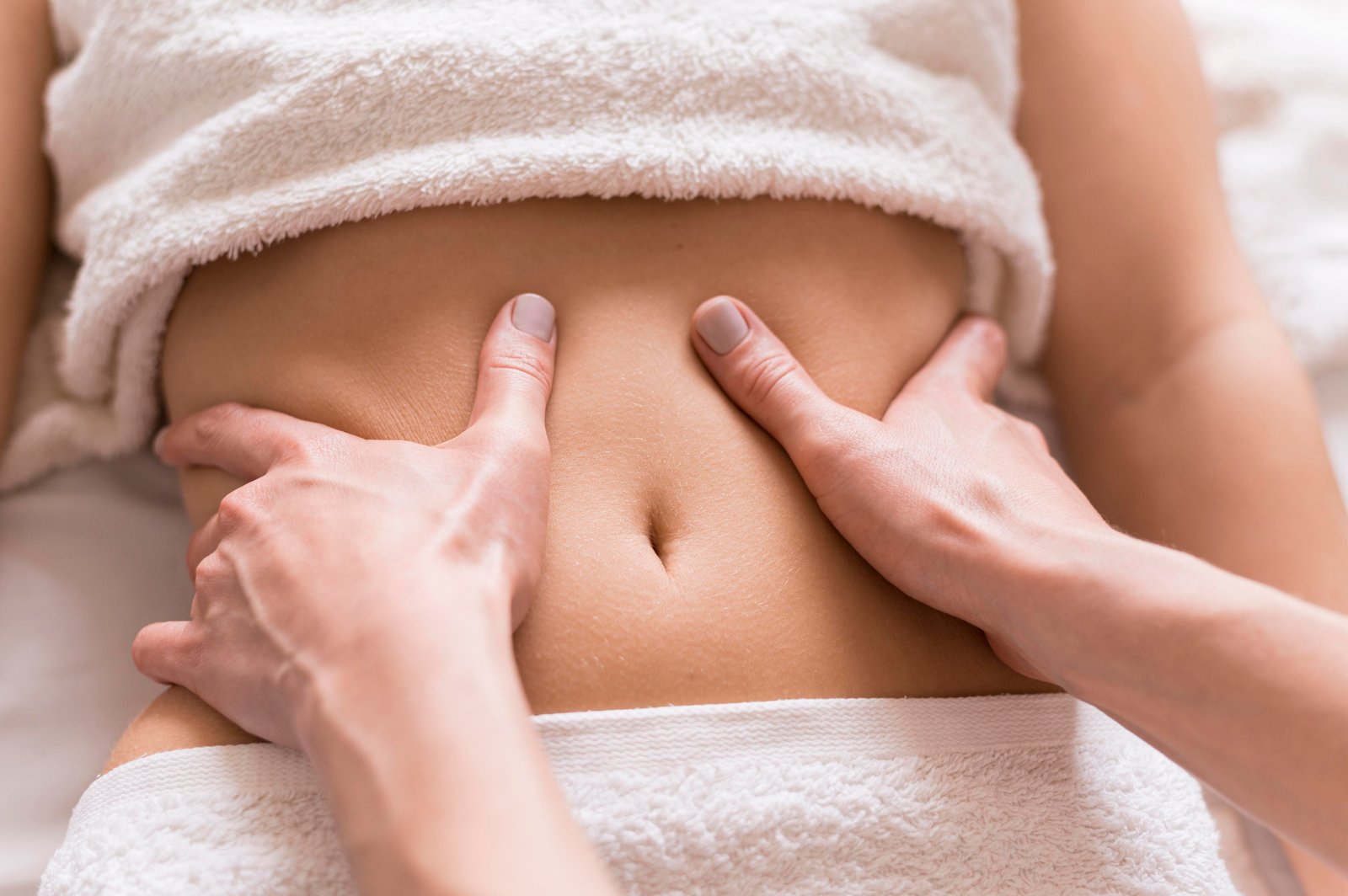
Wellness trends often promise a fresh start for your body, from detox drinks and restrictive diets to treatments designed to help you feel lighter and more refreshed. One treatment that has gained attention is lymphatic drainage massage.
But can lymphatic massage really detox your body? And what does it actually do?
Lymphatic drainage massage is a gentle massage technique designed to encourage the movement of lymph fluid through the lymphatic system. This system plays an important role in fluid balance and immune function. While lymphatic massage may be helpful in certain circumstances, the idea that it flushes toxins from your body or provides a complete detox is misleading.
In this guide, we explore how the lymphatic system works, the potential benefits of lymphatic massage, common misconceptions and what to consider before booking a treatment.
Lymphatic massage, often called manual lymphatic drainage (MLD), is a specialised technique that uses gentle, rhythmic movements to encourage lymph fluid to move through the lymphatic system.
The lymphatic system is a network of vessels, tissues and lymph nodes that helps maintain fluid balance and supports the body's immune defences. Lymph fluid carries substances through this network, where they are processed as part of normal bodily functions.
Unlike deep tissue massage, lymphatic drainage typically uses light pressure. The technique is not designed to work deeply into the muscles or create an intense massage sensation.
Lymphatic drainage is used in some medical settings, particularly to help manage certain types of swelling, such as lymphoedema. A trained healthcare professional may recommend it as part of a wider treatment plan.
Wellness massage services may offer gentle lymphatic-style treatments for relaxation, but these should not be confused with medical treatment for diagnosed lymphatic conditions.
Common symptoms can include:
The word detox is often used in wellness marketing, but it can give the wrong impression about what massage does.
Your body already has systems that process and remove waste products. The liver helps metabolise substances, while the kidneys filter waste from the blood and remove it through urine. The lungs, digestive system and other organs also contribute to normal waste removal.
Lymphatic massage does not replace these functions, and there is no good evidence that a wellness lymphatic massage removes unspecified toxins from the body.
What it may do is support the movement of lymph fluid in appropriate circumstances. For some people, specialised lymphatic drainage can help manage certain types of swelling. However, the results depend on the reason for the swelling and the individual's health.
The key takeaway: lymphatic massage is better understood as a gentle technique that may support fluid movement and relaxation—not as a detox treatment that cleanses your body.
The benefits depend on why the massage is being used, the technique performed and your individual circumstances.
1. It May Help Manage Certain Types of Swelling
Manual lymphatic drainage is used in clinical care for some people with lymphoedema, a condition involving swelling caused by problems with lymphatic drainage.
In these situations, it may form part of a broader management plan that can include compression, exercise, skin care and specialist guidance.
However, not all swelling is caused by lymphatic problems. New, unexplained or persistent swelling should be assessed by a healthcare professional rather than treated with massage alone.
2. It Can Provide a Gentle, Relaxing Experience
Lymphatic-style massage uses slow, light movements rather than the firmer pressure associated with deep tissue massage. Some people enjoy this gentle approach as part of a relaxation routine./p>
A calm environment and dedicated time away from daily responsibilities may also make the experience feel restorative.
3. It May Be Suitable for People Who Prefer Light Pressure
Not everyone enjoys firm massage techniques. Lymphatic drainage uses a much lighter touch, which may appeal to people looking for a gentle treatment.
However, light pressure does not automatically make a treatment appropriate for every health condition. Your medical history and the reason for seeking massage still matter.
4. It Can Encourage a More Mindful Self-Care Routine
Taking time for yourself can be a valuable part of a balanced wellness routine. A massage appointment may offer an opportunity to slow down, relax and pay attention to your comfort.
It is best to view this as a relaxation benefit rather than evidence that the treatment is cleansing the body or improving every aspect of health.
Some people notice temporary changes in how an area feels or looks after lymphatic drainage, particularly when the treatment is being used appropriately for fluid-related swelling.
However, the results vary. A change in swelling is not the same as fat loss, and any short-term change in body measurements does not mean that toxins have been removed.
Lymphatic massage is not a weight-loss treatment, and it cannot permanently reshape the body. Claims that it reliably removes cellulite, burns fat or produces lasting slimming results should be treated cautiously.
If you are considering lymphatic massage for a specific concern, discuss what is realistic to expect with a qualified practitioner or healthcare professional.
Lymphatic massage may appeal to people who prefer a gentle massage experience or who have been advised to consider lymphatic drainage for a particular reason.
It is important to distinguish between general wellness treatments and clinical lymphatic drainage.
For relaxation: You may enjoy the gentle movements as part of your self-care routine, provided the treatment is suitable for you.
For diagnosed lymphoedema: Seek guidance from a clinician or specialist trained in lymphoedema management.
For unexplained swelling: Arrange a medical assessment to identify the cause before booking a massage.
For weight loss or detox: Lymphatic massage should not be relied on to burn fat, remove unspecified toxins or replace healthy lifestyle habits.
Lymphatic drainage is gentle, but it is not suitable for everyone in every circumstance. Certain health conditions may require medical advice or mean that massage should be postponed.
Speak with a healthcare professional before booking if you have a history of significant heart or kidney problems, a diagnosed lymphatic condition, a recent operation or cancer treatment, or unexplained swelling.
Do not massage an area with suspected infection or acute inflammation without medical guidance. If you develop sudden swelling, especially in one leg, or swelling accompanied by pain, redness or warmth, seek urgent medical assessment. Sudden swelling with chest pain or breathlessness requires emergency care.
If you have been diagnosed with lymphoedema, a general wellness massage is not necessarily equivalent to specialist manual lymphatic drainage. Ask your treating clinician which techniques are appropriate for you.
You do not need a special detox programme to support your body's normal processes. Everyday habits can help maintain general health and wellbeing.
Stay Hydrated
Drink fluids regularly according to your needs, activity level and any medical advice you have received. You do not need to force excessive amounts of water to flush toxins from your body.
Keep Moving
Regular movement, such as walking and other activities suited to your abilities, supports general health. Muscle movement also helps the normal circulation of lymph fluid.
Eat a Balanced Diet
A varied diet containing vegetables, fruit, whole grains, protein sources and other nutritious foods supports your overall health. Avoid extreme diets marketed as detox plans.
Prioritise Rest
Adequate sleep and regular opportunities to relax can help you maintain a more balanced routine. These habits are more sustainable than relying on a single treatment to solve every wellness concern.
At Bliss, lymphatic massage is an option for those seeking a gentle treatment experience. If you are considering a session in Beaconsfield or Gerrards Cross, it is important to be clear about your goals and any health concerns before booking.
If you are looking for relaxation, explain your preferred pressure and what you hope to get from the treatment. If your goal is to manage swelling or a diagnosed lymphatic condition, consult your healthcare professional first to establish whether you need specialist clinical care.
You can explore the Lymphatic Massage service in Beaconsfield or Lymphatic Massage service in Gerrards Cross to learn more about the treatments available.
At Bliss, the focus is on helping you choose an appropriate experience based on your preferences—not promising a detox or a medical outcome that massage cannot guarantee.
Does lymphatic massage remove toxins?
There is no good evidence that a wellness lymphatic massage removes unspecified toxins from the body. The liver, kidneys and other organs carry out the body's normal waste-processing functions. Lymphatic drainage is a technique intended to encourage lymph fluid movement in appropriate circumstances.
Does lymphatic massage help with bloating?
Lymphatic massage is not an established treatment for digestive bloating. Bloating can have many causes, so persistent or painful symptoms should be discussed with a healthcare professional.
Can lymphatic massage help with weight loss?
Lymphatic massage does not burn fat or produce lasting weight loss. A temporary change in swelling or measurements is not the same as losing body fat.
How often should you get a lymphatic massage?
There is no single recommended schedule for everyone. Frequency depends on the purpose of treatment, your health and the type of service. People receiving clinical lymphatic drainage should follow their healthcare professional's advice.
Is lymphatic massage painful?
Manual lymphatic drainage generally uses light, gentle pressure and should not be forceful. Tell your practitioner if you feel discomfort, and stop the treatment if symptoms worsen.
What is the difference between lymphatic massage and deep tissue massage?
Lymphatic drainage uses gentle, rhythmic movements intended to encourage lymph fluid movement. Deep tissue massage uses firmer pressure to work on deeper layers of muscle and other soft tissues. They have different purposes and are not
Lymphatic massage can be a gentle addition to a wellness routine, and specialised lymphatic drainage may help manage certain types of swelling when used appropriately. However, it is not a magic detox, a weight-loss solution or a substitute for medical care.
Understanding what the treatment can and cannot do helps you make an informed choice. If you are interested in lymphatic massage for relaxation, explore the available options at Bliss. If you have unexplained swelling or a diagnosed lymphatic condition, seek appropriate healthcare guidance before booking.
