

Sciatica can make everyday activities such as sitting, walking, sleeping or bending feel uncomfortable. The pain may begin in the lower back and travel through the buttock and down one leg. For some people, it feels like a dull ache; for others, it can involve sharp, burning or shooting sensations, tingling or numbness.
If you are experiencing these symptoms, you may be wondering: can massage help sciatica pain?
Massage may help some people manage muscle tension and discomfort associated with sciatica, but it does not necessarily address the underlying cause of sciatic nerve irritation. Whether it is appropriate depends on your symptoms, their cause and your overall health.
In this guide, we explain what sciatica is, how massage may help, which approaches to discuss with a healthcare professional and when you should seek medical advice.
Sciatica is a term used to describe symptoms that occur when the sciatic nerve or its nerve roots become irritated or compressed. The sciatic nerve runs from the lower back through the buttocks and down each leg.
Common symptoms can include:
Sciatica is a symptom rather than a condition with one single cause. It can be associated with issues such as a herniated disc or narrowing around the spinal nerves. Muscle tightness may also contribute to discomfort, but not every case of pain travelling down the leg is sciatica.
Because the causes can differ, it is important to understand what is contributing to your symptoms before choosing a treatment.
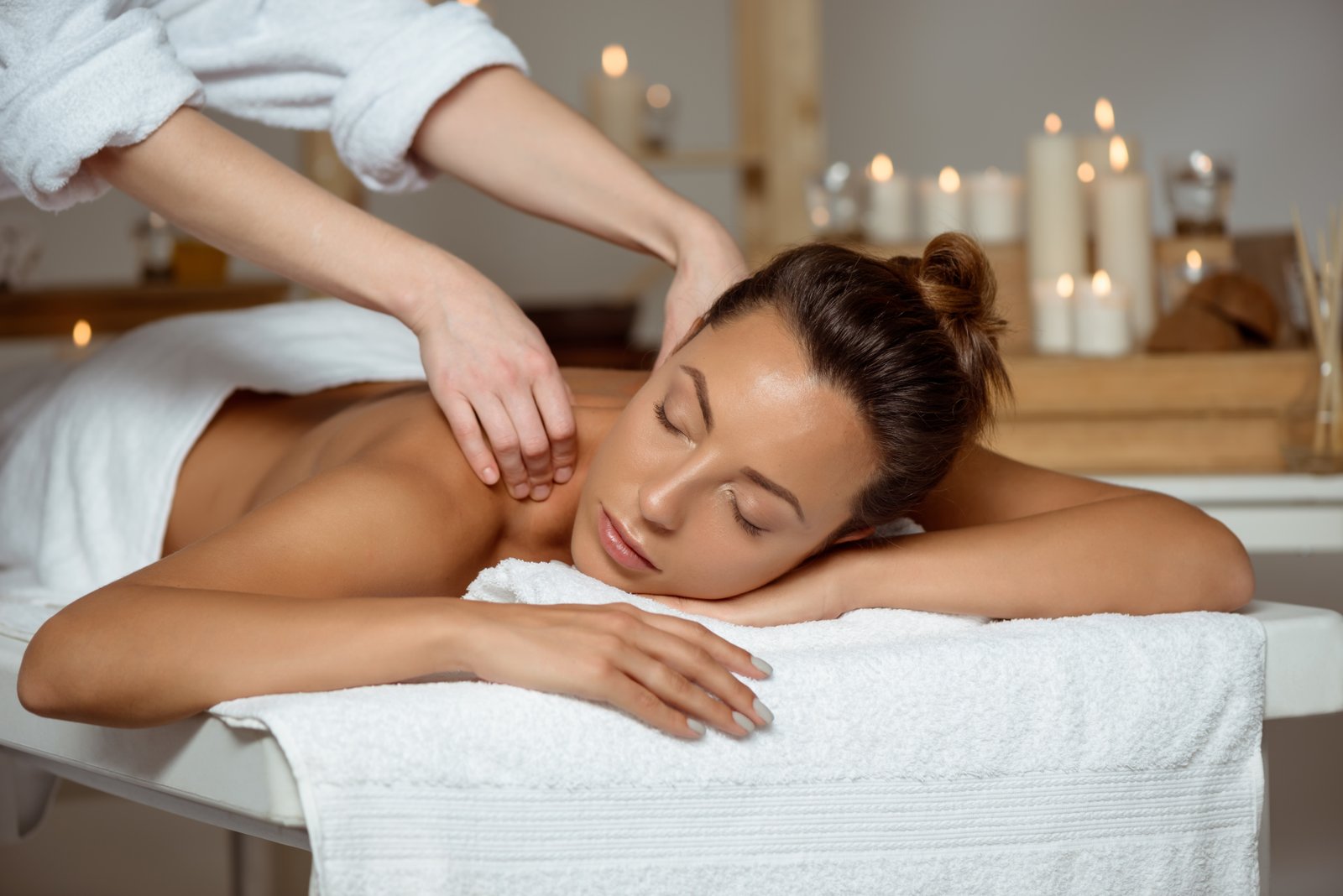
Massage may offer temporary comfort for some people experiencing sciatica-related discomfort, particularly when muscle tightness around the lower back, hips or buttocks contributes to their symptoms.
Massage involves working with soft tissues, including muscles. Depending on the technique and individual response, it may help reduce feelings of muscular tension and make relaxation easier.
However, massage does not physically correct every cause of sciatica, and research specifically examining massage for sciatica remains limited. It should not be presented as a cure or a substitute for an appropriate assessment.
Whether massage is suitable for you depends on factors such as the cause of your symptoms, their severity and whether you have any associated numbness or weakness.
1. It May Ease Surrounding Muscle Tension
When your lower back, hips or buttocks feel tight, everyday movements can become uncomfortable. Massage may help some people feel less muscle tension in these areas.
This may be useful when muscular tightness contributes to discomfort. However, it does not mean that massage can remove pressure on an irritated nerve.
2. It Can Encourage Relaxation
Ongoing discomfort can make it difficult to relax, particularly when it affects your sleep or daily routine. A gentle, comfortable massage may provide an opportunity to rest and unwind.
Relaxation may help you cope with the experience of pain, although individual responses vary and it does not treat the underlying cause of sciatica.
3. It May Support Comfort During Recovery
Some people find that gentle soft-tissue techniques form part of a broader plan for managing back or leg discomfort. Depending on the diagnosis, a healthcare professional may recommend staying active within your limits, appropriate exercises or physiotherapy.
Massage may sometimes be considered alongside these approaches,but it should be chosen carefully and should not delay assessment or other recommended treatment.
There is no single massage technique that is best for everyone with sciatica. The appropriate approach depends on the source of the symptoms and how sensitive the affected area is.
Gentle or Relaxing Massage
A gentle massage may be more comfortable for someone who wants to relax and experiences muscular tension alongside their symptoms. Pressure should remain comfortable, and the therapist should know about the leg pain or other symptoms before treatment begins.
Swedish Massage
Swedish massage generally uses flowing movements and light to moderate pressure. Some people prefer this style for relaxation, but it should not be assumed to treat sciatic nerve irritation.
If you are considering a Swedish massage, discuss your symptoms and any medical advice you have received before booking.
Deep Tissue Massage
Deep tissue massage uses firmer, more focused pressure on particular areas of the body. Although it may be chosen by people experiencing muscular tightness, deeper pressure is not automatically more effective or appropriate for sciatica.
Forceful work around a painful area may aggravate symptoms for some people. If you have suspected or diagnosed sciatica, seek appropriate medical guidance before choosing a deep tissue treatment, particularly if you have tingling, numbness or weakness.
At Bliss, you can explore the available massage options in Beaconsfield and Gerrards Cross. These services are not a substitute for medical assessment or specialist treatment for sciatica.
Yes, it is possible for massage to aggravate symptoms in some circumstances. This may happen if pressure is too intense, the affected tissues are sensitive or the technique is unsuitable for the underlying problem.
Use particular caution if you experience:
Tell the practitioner about your symptoms before any treatment. Stop if the massage increases your pain, causes new tingling or numbness, or makes symptoms travel further down your leg.
If sciatica is suspected but has not been assessed, consider speaking with a healthcare professional first to determine the likely cause and the most appropriate management.
Massage is only one possible part of managing discomfort, and it may not be appropriate in every case. Depending on the cause and severity of your symptoms, a healthcare professional may suggest other options.
Stay Gently Active If You Can
For many people, continuing gentle everyday movement within comfortable limits is preferable to prolonged bed rest. The right amount of activity depends on your symptoms, so avoid movements that significantly worsen your pain.
Consider Physiotherapy Advice
A physiotherapist can assess your movement, strength and symptoms and help you understand which exercises or activity adjustments may be suitable. The approach may vary depending on the underlying cause.
Review Your Sitting and Working Habits
If you spend long periods sitting, try changing positions regularly and taking comfortable movement breaks. There is no single perfect sitting position for everyone, but varying your posture may make long periods of sitting easier to manage.
Seek Medical Advice When Needed
A healthcare professional can assess persistent, severe or worsening symptoms and determine whether further investigation or treatment is necessary. Do not rely on massage alone if the pain is affecting your ability to walk, sleep or carry out daily activities
It is important not to treat every instance of back or leg pain as a muscular problem.
Arrange a medical assessment if your pain is persistent, getting worse, interfering with daily activities or accompanied by numbness or tingling that concerns you. You should also seek advice before massage if you have a diagnosed spinal condition or have been advised to avoid certain treatments.
Seek emergency medical attention immediately if you develop any of the following:
These can be warning signs of serious nerve compression and need urgent assessment. Do not book a massage in place of emergency care.
If you are looking for a massage in Beaconsfield or Gerrards Cross, the team at Bliss offers different treatments to suit a range of preferences, including Swedish, aromatherapy relaxing and deep tissue massage.
If you have sciatica or pain travelling down your leg, speak with a healthcare professional first to establish whether massage is appropriate. If you are cleared to have a massage, explain your symptoms and any restrictions before the session so the treatment can be considered with your comfort and safety in mind.
Explore the Deep Tissue Massage in Beaconsfield and Deep Tissue Massage in Gerrards Cross pages to learn about the treatments available. These pages describe massage services, not a medical treatment for sciatica.
Can massage get rid of sciatica?
Massage cannot be relied on to get rid of sciatica. It may help some people manage associated muscle tension or discomfort, but the result depends on the underlying cause. A healthcare professional can advise on appropriate treatment.
Is deep tissue massage good for sciatic nerve pain?
Not necessarily. Deep tissue massage uses firmer pressure and may aggravate symptoms in some people. If you have sciatic nerve pain, particularly with numbness, tingling or weakness, seek medical advice before considering deep tissue massage.
Should you massage the area where sciatica hurts?
Avoid applying forceful pressure directly to a painful area or attempting to manipulate the nerve. The safest approach depends on the cause of your symptoms. Seek professional guidance before massage if the pain has not been assessed.
How often should you get a massage for sciatica?
There is no established massage schedule that is suitable for everyone with sciatica. Frequency should depend on your diagnosis, response to treatment and advice from your healthcare professional. Do not continue sessions if they aggravate your symptoms.
Can massage help sciatica caused by a herniated disc?
Massage may help with associated muscle tension for some people, but it does not repair a herniated disc or reliably relieve nerve compression. A healthcare professional can advise on treatment options based on your symptoms and examination.
Is massage enough to treat sciatica?
Massage alone may not be sufficient, particularly when symptoms are caused by nerve compression. Depending on the cause, management may involve advice on activity, physiotherapy, medication or other medical treatments.
Massage may help some people feel more relaxed and ease muscular tension associated with sciatica, but it is not a guaranteed treatment for sciatic nerve pain. The cause of your symptoms, the intensity of your discomfort and any associated neurological symptoms should guide your next steps.
If you are considering massage, prioritise an appropriate medical assessment when needed, choose a treatment that is suitable for your condition and avoid pressure that worsens your symptoms. Your comfort and safety should always come first.
