
Swelling and puffiness can sometimes leave you feeling uncomfortable, particularly when you notice fluid build-up around certain areas of your body. If you are looking for a gentle wellness treatment, lymphatic massage may be an option to explore.
Lymphatic massage uses light, rhythmic movements designed to encourage the movement of lymph fluid through the body's lymphatic system. This system plays an important role in maintaining fluid balance. When lymphatic drainage is impaired, fluid can accumulate in the tissues and cause swelling.
But can lymphatic massage really help with swelling? What benefits might it offer, and is it suitable for everyone?
In this guide, we explain how lymphatic massage works, when it may be helpful and what to consider before booking a treatment at Bliss.
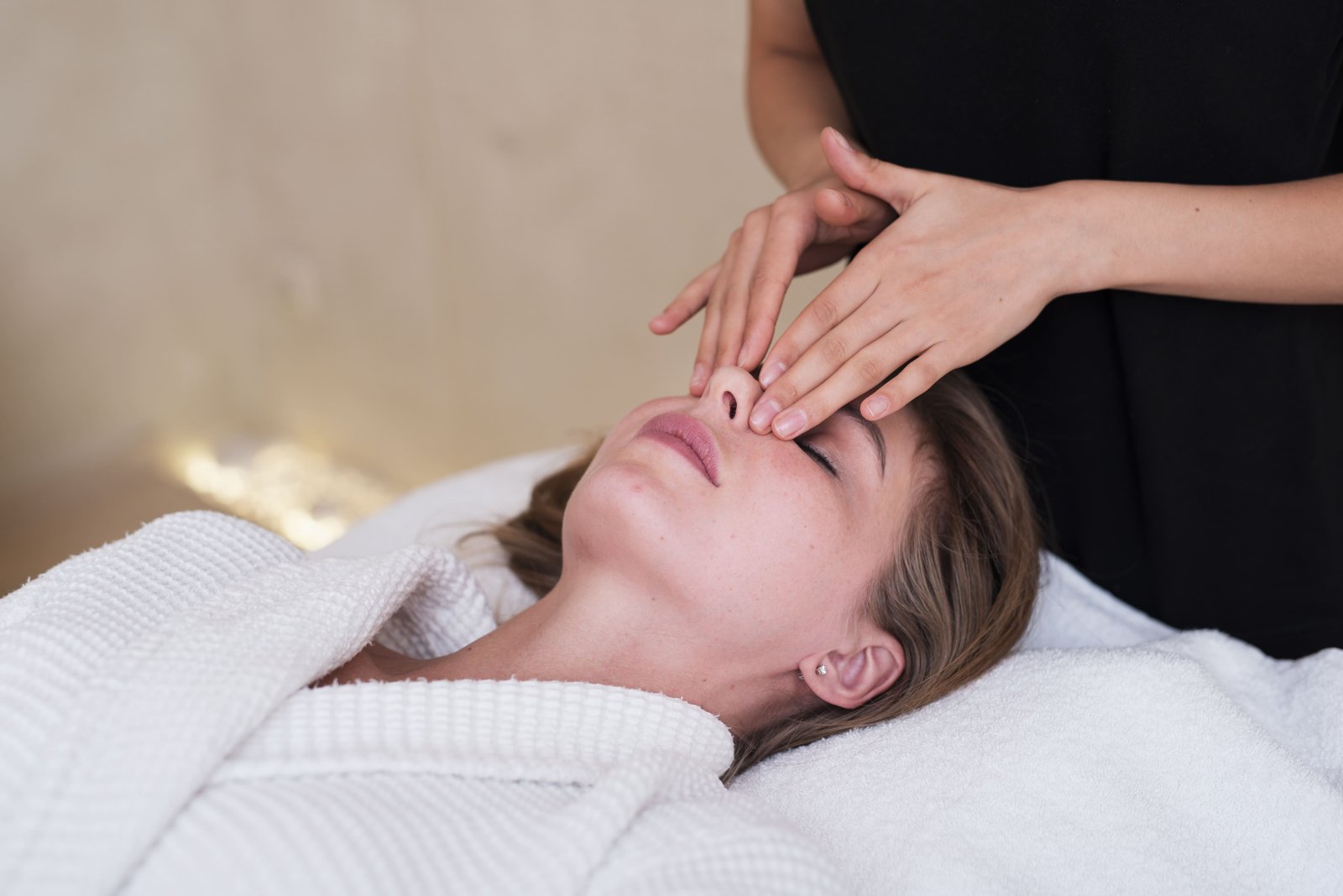
Lymphatic massage, also known as lymphatic drainage massage, is a gentle technique that uses light pressure and carefully directed movements.
Unlike deep tissue massage, which focuses on deeper muscle layers, lymphatic massage is designed to encourage lymph fluid movement. It is often associated with wellness routines for people who experience a feeling of puffiness or certain types of fluid-related swelling.
The lymphatic system helps maintain the body's fluid balance and supports immune function. However, swelling can have several causes, so lymphatic massage is not suitable for every situation.
A wellness lymphatic massage should also be distinguished from specialist manual lymphatic drainage provided as part of medical care for conditions such as lymphoedema.
Lymphatic drainage techniques may help manage certain types of swelling, particularly when lymphatic fluid is not draining effectively. The potential benefit depends on the cause of the swelling and the type of treatment provided.
Some people explore lymphatic massage when they feel puffy or uncomfortable and want a gentle treatment experience. However, a wellness massage cannot guarantee a reduction in swelling, and it should not be used to self-treat unexplained fluid retention.
If your swelling is new, persistent, worsening or unexplained, speak with a healthcare professional before booking a massage. Identifying the cause is important because swelling may sometimes indicate an underlying health problem.
1. May Help with Certain Types of Fluid-Related Swelling
Specialised lymphatic drainage can be helpful for some people with swelling caused by impaired lymphatic drainage. It may be included in a wider care plan recommended by a qualified healthcare professional.
For general puffiness, results from a wellness massage are less predictable. The cause of the swelling matters more than the massage alone.
2. A Gentle Alternative to Firm Massage
Lymphatic massage uses light, rhythmic movements rather than strong pressure. This makes it different from deep tissue or sports massage and may appeal to people who prefer a softer touch.
The pressure should remain comfortable throughout the session. More pressure does not necessarily mean better results.
3. A Relaxing Wellness Experience
A massage appointment can give you time away from your daily routine. The calm environment and gentle movements may help you unwind and feel more relaxed.
This relaxation benefit is separate from any effect on swelling, and individual experiences can vary.
4. An Opportunity to Focus on Your Wellbeing
Taking time for yourself can be a valuable part of a balanced wellness routine. Lymphatic massage may be an option if you enjoy gentle treatments, provided it is appropriate for your health and circumstances.
It should not be promoted as a guaranteed way to remove excess fluid, reshape the body or produce weight loss.
Swelling occurs when fluid accumulates in body tissues. It can affect different areas, including the feet, ankles, legs, hands or face.
Possible causes include:
These causes are not interchangeable, and massage is not an appropriate solution for all of them.
For example, swelling that appears after a long day of sitting may have a different explanation from swelling caused by a medical condition. If you are unsure why you are experiencing swelling, arrange a medical assessment before considering massage.
Lymphatic massage is sometimes advertised as a way to detox the body, but this description can be misleading.
Your liver and kidneys already play major roles in processing substances and removing waste products. Lymphatic massage does not flush toxins from the body, burn fat or replace these normal bodily functions.
Its purpose is better understood as a gentle technique that encourages lymph fluid movement and may help manage certain types of swelling when used appropriately.
If your goal is to feel more comfortable and enjoy a gentle massage, it is important to have realistic expectations about what the treatment can achieve.
No. Although lymphatic massage uses light pressure, it may not be suitable in every situation.
Speak with a healthcare professional before booking if you have unexplained swelling, a diagnosed lymphatic condition, significant heart or kidney problems, a recent operation or another health concern that could affect treatment suitability.
Sudden swelling in one leg, especially when accompanied by pain, redness or warmth, requires urgent medical assessment. Sudden swelling accompanied by chest pain or breathlessness requires emergency medical care.
If you have been diagnosed with lymphoedema or another condition affecting fluid drainage, ask your treating clinician whether you need specialist lymphatic care rather than a general wellness massage.
Alongside appropriate healthcare advice, everyday habits can support your general wellbeing.
Move regularly: Gentle movement suited to your abilities can support overall health.
Take breaks: If you sit or stand for long periods, change position regularly when possible.
Stay hydrated: Drink fluids according to your needs and any medical advice you have received.
Follow medical guidance: If swelling is related to an underlying condition, follow the treatment plan recommended by your healthcare professional.
Make time to relax: Choose activities that help you unwind and fit comfortably into your routine.
These habits do not replace medical assessment when swelling is unexplained or persistent.
At Bliss, lymphatic massage is offered as a gentle wellness treatment for people who prefer light pressure and a slower massage style.
If you are considering a session, let the team know about your preferences and any relevant health concerns before booking. If you are experiencing swelling, it is important to understand its cause first and confirm that massage is suitable for you.
You can explore the available treatments at:
Choose a treatment based on your needs, keep your expectations realistic and seek medical advice when swelling requires further investigation.
Can lymphatic massage reduce swelling?
Specialised lymphatic drainage may help manage certain types of swelling, especially when lymphatic drainage is impaired. Results vary, and a general wellness massage cannot guarantee a reduction in swelling.
Can lymphatic massage help with a puffy face?
Some people seek facial lymphatic techniques for puffiness, but the cause matters and results may be temporary or variable. Sudden, persistent or unexplained facial swelling should be medically assessed before massage.
How often should you have a lymphatic massage?
There is no universal schedule. Frequency depends on the reason for treatment, your health and the type of service. If you have ongoing swelling or a diagnosed condition, follow guidance from your healthcare professional.
Does lymphatic massage help with weight loss?
Lymphatic massage does not burn body fat or provide lasting weight loss. A temporary change in swelling or measurements should not be confused with fat loss.
Is lymphatic massage painful?
Lymphatic massage generally uses gentle pressure and should not be forceful. Tell your practitioner if you feel discomfort and stop if symptoms worsen.
What is the difference between lymphatic massage and deep tissue massage?
Lymphatic massage uses light, rhythmic movements intended to encourage lymph fluid movement. Deep tissue massage uses firmer pressure to work on deeper muscle layers. They serve different purposes and are not interchangeable.
Lymphatic massage may be helpful for certain types of swelling when the technique is appropriate, and it can also offer a gentle wellness experience. However, it is not a guaranteed solution for puffiness, fluid retention or unexplained swelling.
If you are experiencing swelling, understanding the cause should come first. Once massage has been confirmed as suitable, lymphatic massage at Bliss may be an option to consider as part of your wider wellbeing routine.
